In the modern era of social media, it’s easy to find yourself endlessly scrolling through your feed, bombarded by an endless stream of ads, banners, reels, and graphics all competing for your attention.
Over time, our brains naturally adapt. We become so accustomed to these visual sales pitches that we automatically filter them out. No matter how stunning a static graphic is, or how much budget you pump into ad spend, that money goes straight down the drain if your audience never pauses long enough to read it.
We’re hardwired to track movement in our peripheral vision. Motion acts as an automatic pattern interrupt. In a fast-moving feed, the moment motion breaks the static flow, our eyes immediately lock onto it, regardless of whether we intentionally meant to look or not.
This is where the 1.5-second window comes in. You don’t need a full cinematic movie; simple kinetic typography or a subtle asset entry (like a logo popping in or a headline sliding across) forces the scroll to halt. That slight delay buys you those critical extra seconds to deliver your core message before the user swipes away.
Where the Money Leaks
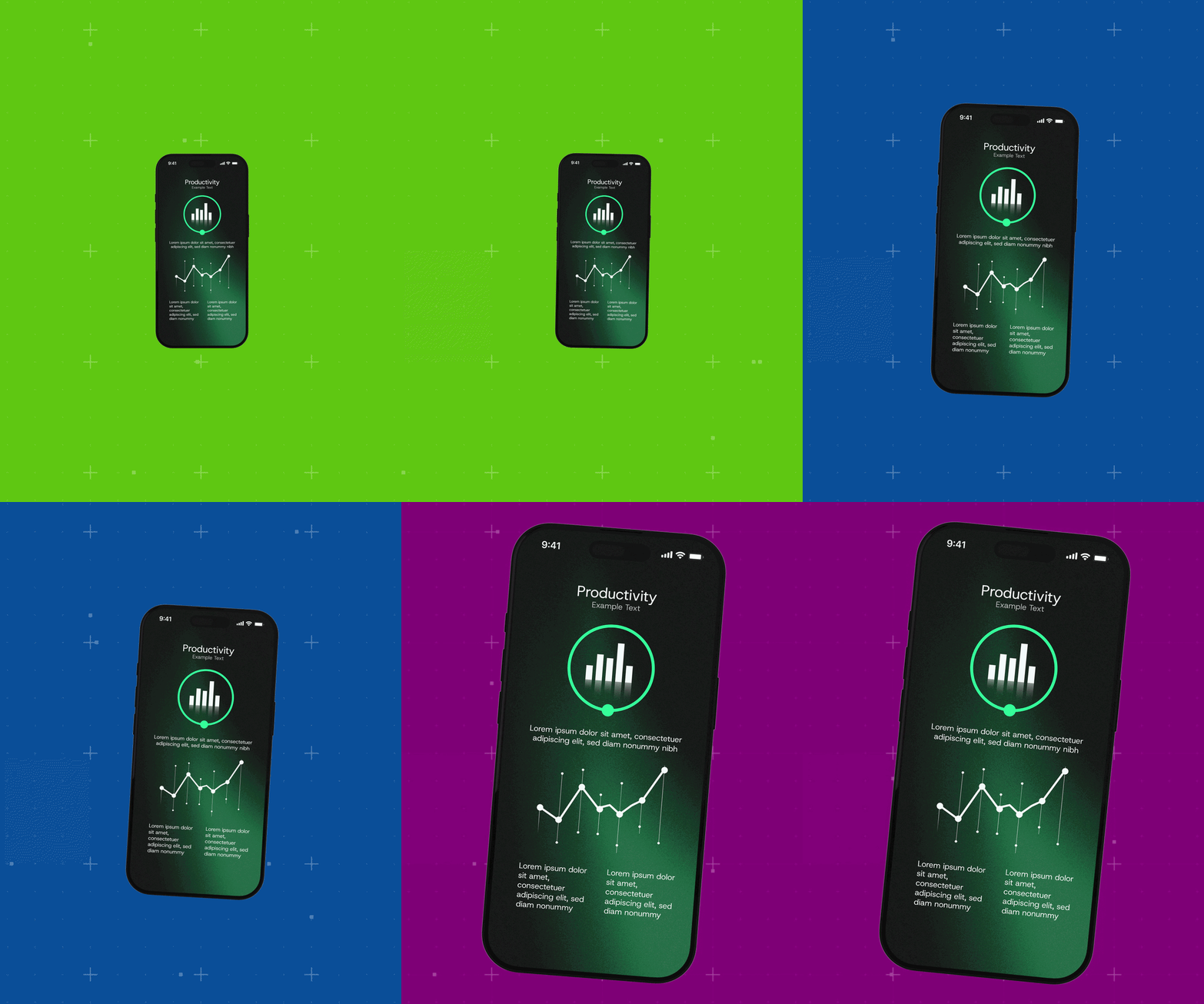
When users swipe past your static ads, your campaign budget bleeds out in two distinct ways:
- Algorithmic Penalties: Platforms like Meta, TikTok, and LinkedIn prioritise content that holds user attention. Low dwell time signals low engagement, which actively drives up your Cost Per Click (CPC).
- Information Overload: Static graphics force you to cram every value proposition into one flat image, making it feel noisy and unreadable. An animated 6-second loop allows you to reveal those same selling points sequentially without overwhelming the viewer.
Fixing the Leak with Smart Motion
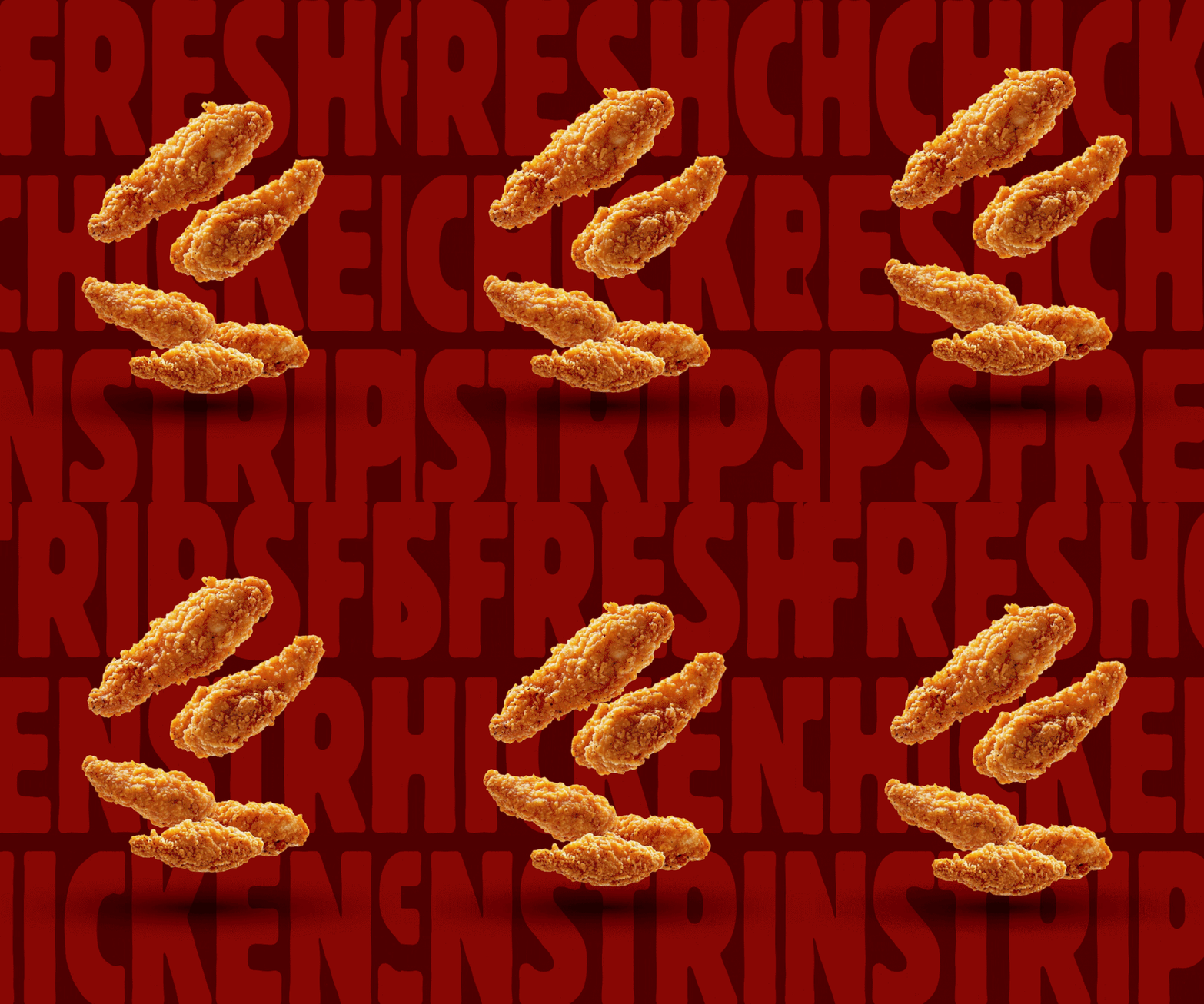
Upgrading your creative doesn’t mean starting from scratch or paying for a full-scale 3D production.
- Micro-Animations: Adding small movement, like a pulsing Call-To-Action button or floating UI elements, gives flat designs immediate energy.
- Asset Recycling: At Superfly, we often take a client’s existing static Photoshop or Illustrator files and break them apart. By animating just two or three core layers, we convert a dead static ad into a dynamic asset that drives conversions.
Take a look at your lowest-performing static ad right now. If the text slid in or the hero product had a gentle float, would you have scrolled past it? Adding motion isn’t just an aesthetic upgrade; it’s how you stop wasting budget and start capturing actual attention.
If you need help with making all this make sense, just drop us a message or click here to start the conversation with us right now!